
Budget-Friendly Baby Decor: 12 Affordable Nursery Ideas
By Viktoriia Otkydach
Create a beautiful nursery without overspending. Discover budget-friendly baby decor ideas, affordable nursery furniture tips, DIY decor, smart storage and simple ways to save.
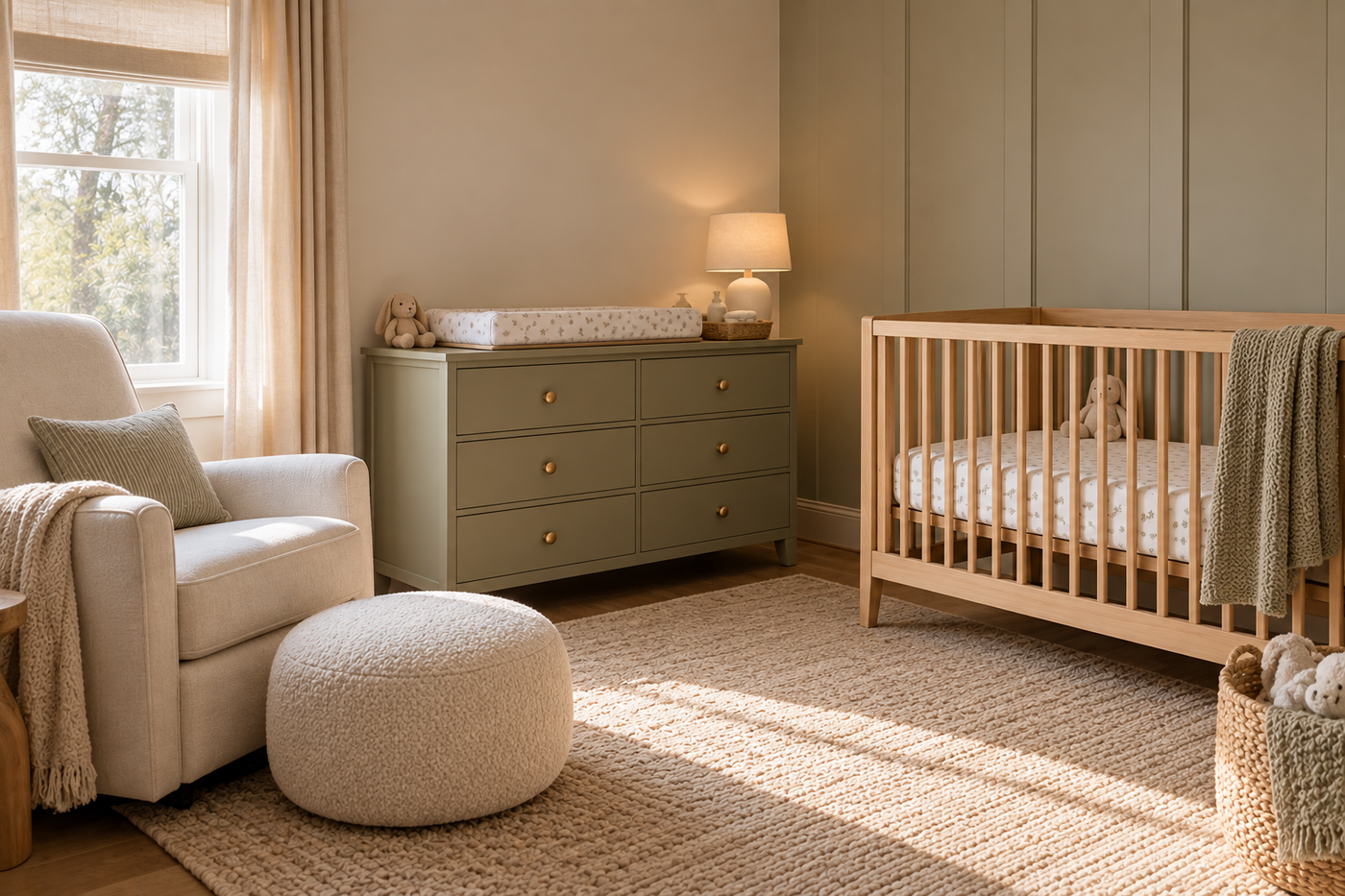
Budget-Friendly Baby Decor: How to Create a Beautiful Nursery Without Overspending
Creating a beautiful nursery is one of the most exciting parts of preparing for a new baby. Between choosing the crib, finding the perfect color palette and imagining all those quiet moments together, it’s easy to want every corner of the room to feel special.
But creating a dreamy nursery doesn’t have to mean spending a small fortune.
With thoughtful planning, versatile furniture and a few creative decorating choices, you can create a warm, stylish space while staying within your budget. The secret to budget-friendly baby decor isn’t simply buying the cheapest items, it’s knowing where to save, what’s worth investing in and how to make a few affordable pieces have a bigger visual impact.
Here are some of our favorite ways to create a beautiful nursery on a budget.
1. Start With a Nursery Budget
Before buying adorable baskets, wall art or that rug you saved on Pinterest, decide how much you’re comfortable spending.
Start with the essentials and build your nursery around them. Your list might include a crib and mattress, dresser or changing area, comfortable chair, storage and basic lighting. Once those necessities are covered, you can decide how much of your remaining budget goes toward decorative pieces.
Creating individual spending limits can also help. Instead of simply saying, “Our nursery budget is $1,500,” decide how much you want to allocate toward furniture, textiles, storage and decor.
This makes impulse purchases much easier to avoid.
Budget tip: Choose one or two things you truly love and allow those to become your splurge pieces. Save on the elements that are easier to replace later.
2. Choose Furniture That Can Grow With Your Baby
One of the smartest ways to save money on a nursery is to think beyond the newborn stage.
Furniture that serves more than one purpose or can continue being used as your child grows can offer much better value than highly specialized nursery furniture.
A convertible crib, for example, may transition into a toddler bed or daybed. A traditional dresser can become a changing station by adding a changing pad or topper, then return to being a regular dresser once diaper days are over.
The same thinking applies to seating. Instead of choosing a chair that only works aesthetically in a nursery, consider a comfortable glider or armchair that could eventually move into a bedroom, reading corner or living room.
When shopping, ask yourself:
“Will we still have a use for this in three or five years?”
If the answer is yes, it may be worth spending a little more.
3. Skip the Dedicated Changing Table
A separate changing table can be convenient, but it isn't always necessary.
If you already own a sturdy dresser at an appropriate height, consider creating a changing station on top instead. Once your baby no longer needs diaper changes, simply remove the changing setup and continue using the dresser.
It’s a simple example of how affordable nursery decor and furniture can also be practical.
And if your existing dresser doesn’t quite match your nursery vision, you may not need to replace it. Fresh paint or new drawer pulls can completely change its appearance for much less than purchasing a new piece of furniture.
4. Use Paint to Make a Big Impact for Less
Walls have an enormous influence on how a nursery feels, which makes them one of the best places to create visual impact without filling the room with expensive decor.
A fresh coat of paint can completely transform a space. Choose a soft neutral for a calm, timeless nursery or create a painted accent wall for something more playful.
If you love the look of wallpaper but not the cost of covering an entire room, use it strategically. A single accent wall, removable decals or a smaller wallpapered section can introduce pattern and personality without the expense of a full-room installation.
This approach also makes it easier to update the nursery as your child grows.
5. Create Your Own Nursery Wall Decor
You don’t need designer artwork to create a beautiful nursery wall.
DIY decor can make the room feel more personal while keeping costs low. Frame meaningful photographs, create simple prints, paint small canvases or display your baby’s initials or name.
Another inexpensive option is removable wall decals. They can create the feeling of a custom mural or wallpaper without requiring the same investment.
For a cohesive look, choose a limited color palette and repeat those colors throughout the room.
Three inexpensive prints displayed together, for example, can often look more intentional than several unrelated decorative pieces scattered around the nursery.
6. Shop Strategically
Secondhand shopping can be one of the easiest ways to stretch a nursery budget.
Dressers, bookcases, storage baskets, side tables and certain seating pieces can often be found gently used and refreshed with paint, new hardware or simple styling.
Check local consignment shops, thrift stores, neighborhood groups and online resale marketplaces. Family and friends may also have nursery pieces they’re ready to pass along.
Safety should always come before savings, however. Be more cautious with safety-critical items and make sure anything purchased secondhand is sturdy, in good condition and appropriate for its intended use.
A great nursery doesn’t need to look like everything arrived from the same furniture collection. In fact, combining new essentials with thoughtfully chosen vintage or secondhand pieces can make a room feel more collected and personal.
7. Turn Storage Into Decor
Babies may be tiny, but their belongings definitely aren’t.
Diapers, blankets, books, toys and clothes can quickly overwhelm a nursery, so storage is worth considering from the beginning.
Fortunately, storage can double as decoration.
Woven baskets, fabric bins, floating shelves and attractive hampers can keep everyday necessities organized while adding texture and warmth to the room.
Instead of purchasing highly themed nursery storage that may feel outdated in a few years, look for neutral pieces that can eventually move elsewhere in your home.
A woven basket that holds baby blankets today might hold toys next year and laundry several years later.
That’s the kind of budget-friendly baby decor that truly earns its place in your home.
8. Decorate With Textiles
When your decorating budget is limited, textiles can do a surprising amount of work.
A rug, curtains, crib sheet or throw draped over your nursing chair can introduce color, pattern and texture without requiring expensive furniture or major renovations.
Choose a simple foundation and let a few textiles establish the personality of the room.
For example, a neutral nursery can feel completely different depending on whether you add soft florals, warm earth tones, playful animals or muted blues and greens.
Better yet, textiles are relatively easy to change as your child's room evolves.
9. Keep the Nursery Simple
One of the easiest ways to overspend is to believe that every empty wall, shelf and corner needs something.
It doesn’t.
A nursery can feel beautiful with relatively few pieces when those pieces work well together.
Start with the essentials, live with the room for a little while and add decor slowly. You may discover that you don’t need half of the accessories you originally planned to purchase.
A simpler nursery can also feel calmer and more spacious, especially if you’re working with a small room.
Think intentional rather than empty.
A lovely rug, beautiful basket and thoughtfully chosen piece of wall art can sometimes make more of an impact than ten smaller decorative items.
10. Add Nursery Items to Your Baby Registry
Your baby registry doesn’t have to be limited to bottles, diapers and onesies.
Consider including practical nursery items such as crib sheets, a mattress, storage, a diaper pail or other pieces you know you’ll need.
Friends and family often want to give something useful, and adding nursery essentials to your registry can help reduce how much you need to purchase yourself.
You can also think strategically about what you buy before your baby shower versus afterward. Instead of purchasing everything immediately, prioritize the necessities and wait to see which registry items you receive before completing the room.
11. Shop Slowly and Watch for Sales
A nursery doesn’t need to be completed in a weekend.
Giving yourself time can actually be one of the best money-saving strategies.
Create a list of what you need and watch for promotions, clearance events and seasonal sales. If an item isn’t essential immediately, waiting a few weeks can sometimes lead to a much better price.
This is especially useful for rugs, curtains, lighting, storage baskets and decorative accessories.
Shopping slowly also helps prevent one of the biggest nursery-budget mistakes: buying something simply because you feel pressured to finish the room.
12. Choose a Timeless Theme
Trendy nursery themes can be adorable, but they can also encourage you to purchase lots of matching items that your child may quickly outgrow.
Instead, consider building the room around a timeless foundation.
Neutral walls, natural textures and classic furniture can be paired with inexpensive accessories that communicate your theme.
Love woodland animals? Add a few prints and a forest-inspired crib sheet.
Want a floral nursery? Introduce flowers through artwork, decals and textiles rather than covering every major piece in floral patterns.
When your child's interests change, you can update a few affordable accessories instead of redecorating the entire room.
The Best Budget-Friendly Nurseries Feel Personal
Creating a beautiful baby room isn't about how much you spend.
The nurseries that feel most special are often the ones filled with thoughtful details: a framed family photograph, a dresser given a second life, a basket filled with favorite books or a piece of artwork you created yourself.
Start with what your baby actually needs. Invest in pieces you'll use for years. Repurpose what you already own. Shop secondhand where appropriate. And allow the nursery to come together gradually.
Because budget-friendly baby decor isn't about sacrificing style.
It's about creating a comfortable, functional and meaningful space—and spending intentionally on the things that matter most.
Frequently Asked Questions About Budget-Friendly Baby Decor
How can I decorate a baby's room on a small budget?
Start with essential furniture and add inexpensive decorative elements such as paint, removable wall decals, framed prints, baskets and textiles. Repurposing furniture you already own and shopping secondhand for appropriate items can also significantly reduce costs.
What nursery items are worth spending more money on?
Consider prioritizing products that will receive frequent use or remain useful beyond the baby stage. Versatile furniture, such as a dresser that doubles as a changing station or seating that can later move into another room, may provide better long-term value.
How can I make an inexpensive nursery look expensive?
Keep your color palette cohesive, avoid overcrowding the room and focus on a few visually strong elements. Updating furniture hardware, adding an accent wall, using coordinated baskets and choosing a statement rug or piece of artwork can create a polished look without requiring a large decorating budget.
Is secondhand nursery furniture a good way to save money?
Secondhand dressers, shelving, storage and certain other furniture can offer significant savings. Inspect used items carefully for stability, condition and suitability before bringing them into your baby's room, and be especially cautious with products where current safety standards are important.
What are the easiest nursery decorations to DIY?
Simple framed artwork, painted canvases, personalized prints and refinished furniture are approachable DIY projects. Small projects can add personality to the nursery without requiring expensive custom decor.
How do I avoid overspending on nursery decor?
Create your budget before shopping, separate essentials from decorative wants and avoid buying everything at once. Complete the functional parts of the nursery first, then add decorative pieces gradually as you determine what the room actually needs.