
The Future of Adenomyosis Treatment: What's New and What's Next
By Mike Prince
Uterine adenomyosis is a serious and debilitating condition that can profoundly impact a woman's quality of life and fertility. While a hysterectomy is typically regarded as the definitive cure, a lack of high-quality data means patients seeking to preserve their fertility have limited conservative treatment choices.
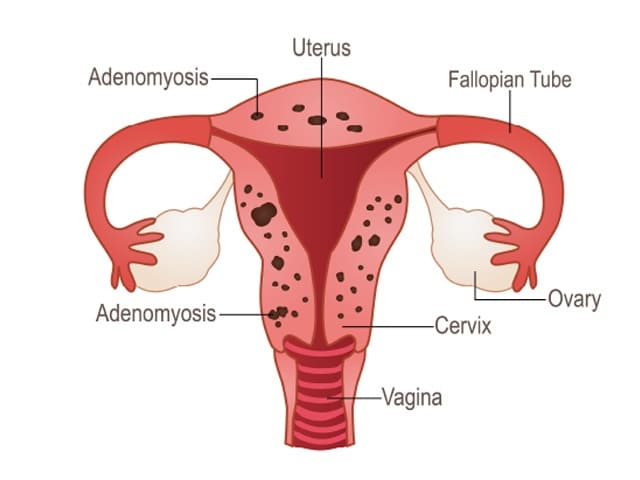
Adenomyosis can be incredibly tough to deal with, bringing painful symptoms that really impact your daily life and fertility. If you've been told that a hysterectomy is your only real "cure," you aren't alone—but it's definitely not the only option out there. A recent medical review, "jcm-12-06130-v3.pdf", dove deep into the current medications available and the exciting new treatments on the horizon.
What doctors are using right now:
- There is no official playbook: Surprisingly, there are currently no standardized medical guidelines for managing adenomyosis.
- The standout option: Based on the data we have today, the hormonal IUD (LNG-IUD) seems to give patients the best overall results for managing symptoms.
- The usual suspects: Other common treatments include everyday NSAIDs for quick pain relief, birth control pills, and specific hormone regulators like progestins and GnRH medications.
What’s Coming Down the Pipeline
- Exploring new uses for old drugs: The medical world is actively testing some really interesting alternatives. For example, researchers are looking into dopamine agonists, valproic acid, and even traditional Chinese medicines.
- Targeting the source: Other potential game-changers are being tested to see if they can help, including medications that block or alter specific pathways, such as aromatase inhibitors, oxytocin blockers, and anti-platelet therapies.
Getting Personal with Genetics
- High-tech solutions: Science is getting incredibly smart when it comes to understanding this condition. Researchers are exploring targeted treatments using micro-RNA and looking at how specific genetic markers, like KRAS mutations, show up in adenomyosis.
- Customized care: This means that in the future, doctors might be able to offer therapies that are specifically guided by your genetics.
The Bottom Line
With more women choosing to have babies later in life, the demand for treatments that keep the uterus intact is higher than ever. While we still need more high-quality research to give doctors clear, step-by-step guidelines, the future of adenomyosis treatment is expanding well beyond surgery.
For more information, please read https://www.mdpi.com/2077-0383/12/19/6130