
Understanding Blastocysts: A Key Stage in Your Fertility Journey
By michelle nix L
Navigating fertility treatment introduces many new terms, and 'blastocyst' is one you'll likely encounter. This advanced embryo stage is crucial for successful implantation and plays a significant role in your path to pregnancy.
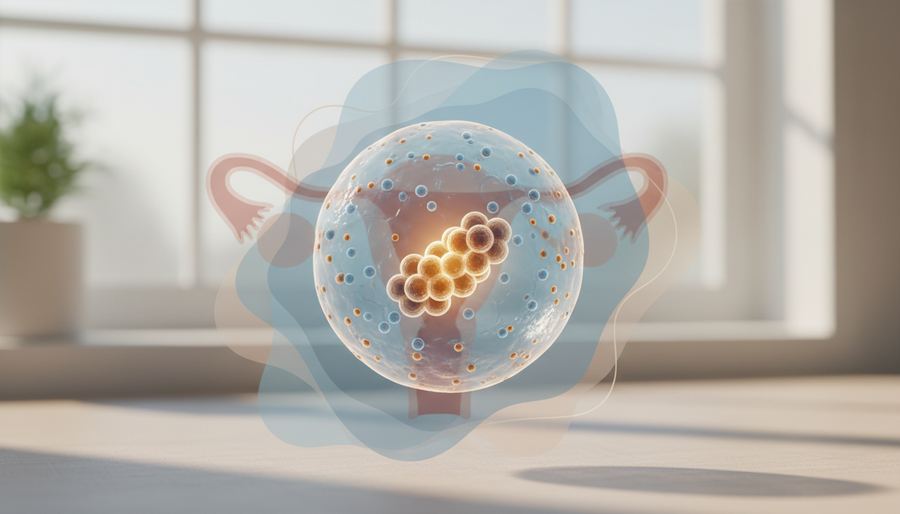
When you're navigating fertility care, especially treatments like in vitro fertilization (IVF), you might encounter many new terms. One important word you'll hear is 'blastocyst,' which represents a key stage in early embryo development and plays a vital role in the journey toward pregnancy.
What is a Blastocyst?
Simply put, a blastocyst is an embryo that has developed for about five to seven days after fertilization. At this point, it's no longer just a few cells; it has grown into a complex structure containing around 100-200 cells, ready for potential implantation. A blastocyst has two main parts:
- The Inner Cell Mass (ICM): This cluster of cells will eventually develop into the baby.
- The Trophectoderm (TE): This outer layer of cells will form the placenta, which provides nourishment and support, and the amniotic sac, which protects the developing fetus.
Why is the Blastocyst Stage Important in Fertility Treatment?
Reaching the blastocyst stage is a significant milestone because it indicates that the embryo has shown strong potential for continued development. This advanced stage offers several key advantages in fertility treatments like IVF:
- Higher Implantation Potential: Blastocysts are often stronger and more robust, making them more likely to successfully implant in the uterine lining. Transferring an embryo at this stage also aligns better with the natural timing of implantation in the body.
- Better Embryo Selection: By allowing embryos to develop to the blastocyst stage, embryologists can observe which ones are developing most robustly. This 'natural selection' process helps identify the most viable embryos, often allowing for the transfer of a single, high-quality embryo, which can reduce the risks associated with multiple pregnancies.
- Improved Genetic Testing: If preimplantation genetic testing (PGT) is recommended, it's typically performed at the blastocyst stage. A few cells can be safely biopsied from the trophectoderm without harming the embryo, allowing for screening for chromosomal abnormalities before transfer.
The Journey to Blastocyst
The journey to becoming a blastocyst begins when a sperm fertilizes an egg, forming a single-celled zygote. This zygote then undergoes continuous cell division, gradually forming a multi-celled embryo. It's a natural process, and not every fertilized egg will develop into a blastocyst. This is completely normal and helps embryologists identify the embryos with the highest potential.
What Happens Next?
Once an embryo reaches the blastocyst stage, there are a few paths forward:
- Embryo Transfer: A selected blastocyst can be gently transferred directly into your uterus during a fresh IVF cycle.
- Freezing for Future Use: Blastocysts can also be frozen (vitrified) for use in a future frozen embryo transfer (FET) cycle. Freezing allows for flexibility and can sometimes offer even higher success rates, as it gives your body time to recover from ovarian stimulation medications before the transfer.
- Implantation: If the transfer is successful, the blastocyst will 'hatch' from its outer shell and implant into the uterine wall, marking the beginning of a pregnancy. You might experience mild signs like light spotting or cramping around this time.
Understanding Challenges
It's important to know that even with a blastocyst, implantation isn't always guaranteed. Sometimes, blastocysts may not implant due to chromosomal issues, which can lead to an early miscarriage, often called a chemical pregnancy. This is a common reason for unsuccessful IVF cycles and early pregnancy loss. However, advanced techniques like PGT can help identify some of these issues beforehand, offering more information and hope.
Conclusion
Understanding the blastocyst stage can bring clarity to your fertility journey. While it's a complex biological process, knowing its importance can help you feel more informed and empowered. Your care team is there to guide you through each step, providing support and expertise as you navigate this path.